Court filings in 2017 revealed Monsanto employees ghost-wrote supposedly independent research papers and suppressed internal studies showing glyphosate's potential cancer links since the 1980s.
“Glyphosate has been thoroughly tested and proven safe by independent scientists worldwide with no credible evidence of carcinogenic effects”
From “crazy” to confirmed
The Claim Is Made
This is the moment they called it crazy.
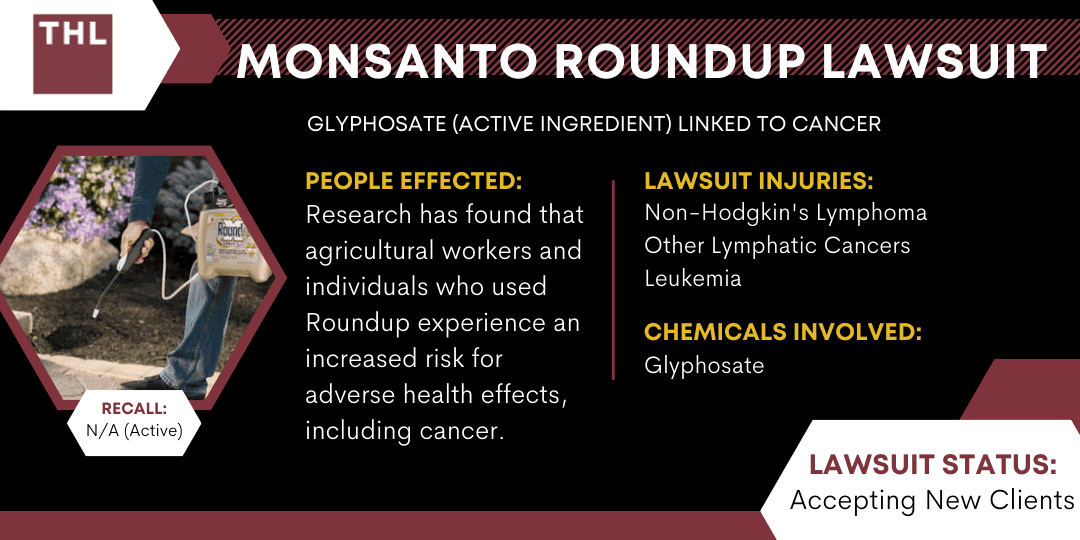
When documents surfaced in a California courtroom in 2017, they told a story about corporate science that contradicted the public record on glyphosate—the active ingredient in Roundup and one of the world's most widely used herbicides. What emerged from those filings was evidence that Monsanto had systematically hidden or minimized research suggesting links between glyphosate and cancer, while simultaneously ghost-writing studies that appeared to come from independent researchers.
For decades, Monsanto maintained that glyphosate was safe. The company pointed to regulatory approvals from agencies like the EPA and cited peer-reviewed studies supporting this conclusion. When independent scientists or advocates raised concerns about potential carcinogenic properties, Monsanto's position remained firm: the science didn't support those claims.
But the discovery process in litigation revealed a different narrative. Court documents showed that Monsanto employees had written or substantially contributed to research papers that were published under the names of academics and scientists who appeared to have no corporate affiliation. These ghost-written studies supported Monsanto's safety claims and were then cited by the company as independent verification of glyphosate's safety profile.
Get the 5 biggest receipts every week, straight to your inbox — plus an exclusive PDF: The Top 10 Conspiracy Theories Proven True in 2025-2026. No spam. No agenda. Just the papers they couldn't hide.
You just read "Monsanto Hid Glyphosate Cancer Research Through Ghost-Writte…". We send ones like this every week.
No one's said anything yet. Be the first to drop your take.
More damaging was evidence that Monsanto had suppressed or downplayed internal research dating back to the 1980s that raised red flags about cancer risks. Rather than conduct additional studies or disclose these findings to regulators, the company reportedly worked to discredit unfavorable research and controlled the narrative around glyphosate's safety through strategic communication campaigns.
The Reuters investigation into what became known as the "Monsanto Papers" documented how the company hired a ghostwriting firm to draft scientific literature. Internal emails showed Monsanto employees directing the content and framing of these papers before they were attributed to outside scientists. One email quoted a Monsanto official saying the company would "ghost write the lead author section" of a particular study.
This wasn't speculation or allegation—these were contemporaneous communications and documented practices revealed through court proceedings. The evidence showed a systematic approach to shaping the scientific conversation around a product that billions of people encounter annually through food, agriculture, and lawn care.
The significance of this claim being verified extends beyond one company or one chemical. It illustrates how corporate interests can distort the scientific record in ways that influence public health policy. When companies control which studies get published, which inconvenient findings get buried, and which scientists appear independent when they're actually working for industry, the entire process of scientific validation becomes compromised.
Monsanto was acquired by Bayer in 2018, but the company's historical conduct with glyphosate research remains relevant. Multiple lawsuits have proceeded based partly on evidence from these court filings, resulting in substantial settlements. More broadly, the case became a textbook example for regulators and journalists about why corporate funding and influence in scientific research requires scrutiny.
What matters now is what we do with this verified claim. It raises uncomfortable questions about how many other chemicals, pharmaceuticals, or industrial products have been similarly protected by corporate science management. It suggests that official regulatory approval doesn't automatically mean a substance has been tested with complete transparency. And it reminds us that when public health and corporate profits collide, documents don't lie—but companies sometimes do.
Beat the odds
This had a 0.7% chance of leaking — someone talked anyway.
Conspirators
~200Network
Secret kept
9.2 years
Time to 95% exposure
500+ years